Solar power is your gateway to clean, renewable energy that can slash your electricity bills while helping the planet. You'll harness the sun's incredible energy through photovoltaic panels mounted on your roof, converting sunlight directly into electricity for your home. With installation costs dropping 64% since 2010 and a generous 30% federal tax credit available, there's never been a better time to go solar. The average system pays for itself within 5-10 years, and proper maintenance guarantees your panels will last 25-30 years. Ready to transform your energy future? The path to energy independence starts with understanding your options.
What Is Solar Power
At its core, solar power transforms sunlight into usable electricity through specialized technologies. You're looking at one of nature's most incredible gifts - an endless supply of clean, renewable energy beaming down from the sky every single day.
Isn't it amazing that you can harness this power to break free from traditional energy sources?
When you tap into solar energy, you're not just powering your home - you're declaring your independence from fossil fuels and embracing one of Earth's most abundant renewable resources. The industry has experienced remarkable growth, with solar installations happening every 39 seconds in the US by 2023.
Think about it: the sun bombards our planet with enough energy in a single hour to power the entire world for a year! You can capture this power through two main methods: photovoltaic (PV) systems that convert sunlight directly into electricity, or concentrated solar power (CSP) systems that use mirrors to create steam and drive turbines. Since the 1990s, we've seen consistent growth in installations as more people recognize solar's potential.
Want to know the best part? Solar power doesn't pollute our air or water.
It's your chance to join millions of others who've already started their journey toward energy independence. Whether you're thinking about a small rooftop installation or dreaming bigger, solar power puts you in control of your energy future.
Understanding Solar Panel Components
Now that you understand what solar power is, let's examine the building blocks that make this technology work. When you're ready to break free from traditional energy, you'll need to know the essentials of what makes these powerful energy-collectors tick.
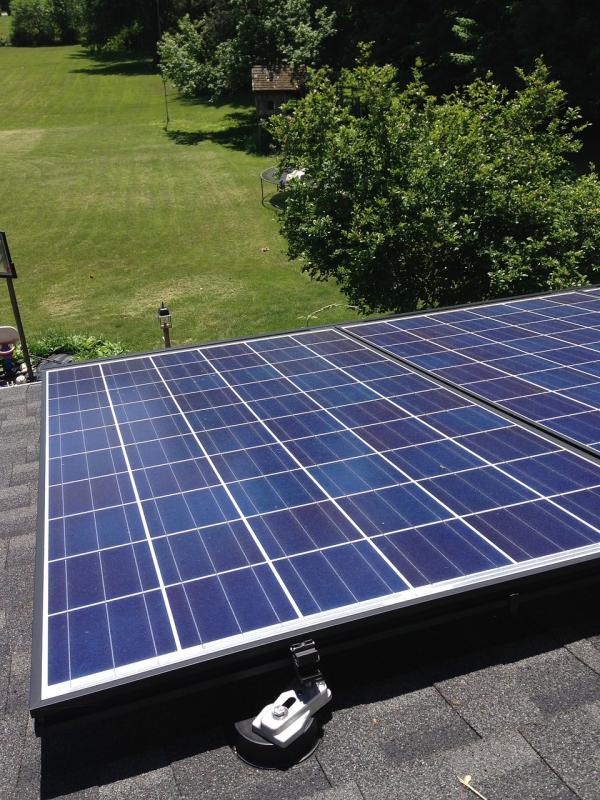
At its heart, a solar panel's structure is brilliantly simple yet incredibly effective. You've got a sturdy metal frame protecting a sheet of glass, under which lies the real magic - the solar cells. These cells, your ticket to energy independence, come in several types that'll fit your unique needs. Most panels contain 60 or 72 cells arranged in a precise matrix for optimal power generation. With proper maintenance and care, these systems can deliver reliable power for 25-30 years of continuous operation.
Want top-tier efficiency? Monocrystalline cells are your best bet. Looking to save some cash? Polycrystalline cells might be right up your alley. There's even cutting-edge thin-film technology for those who love staying ahead of the curve.
Think of your solar panel like a well-orchestrated team - each component plays its part perfectly. The glass shields your cells from the elements, the metal frame keeps everything secure, and the wiring system guarantees your captured sunshine flows exactly where it needs to go.
Ready to harness the sun's power? Understanding these components is your first step toward energy freedom!
Planning Your Solar Installation
Before diving into solar panel installation, you'll need a solid plan that covers several essential factors. Your journey to energy independence starts with a thorough site evaluation - don't skip this vital step!
You'll want to check for any pesky trees or buildings that might cast shadows on your future solar setup, and make sure your roof is pointing in the right direction. The entire process typically requires 2 hours per panel to complete properly. Today's systems come with a remarkable 40-year lifespan when using crystalline panels.
Once you've confirmed your site's potential, it's time for equipment selection. Think of this as choosing the perfect tools for your energy revolution!
You'll need to decide between different types of solar panels, pick the right inverter, and maybe even add a battery system to stick it to the power company entirely. Just make sure everything works together - you don't want to end up with the solar equivalent of a square peg in a round hole.
Finally, don't forget about permits - yes, they're boring, but they're necessary!
You'll need to check local regulations and prepare documentation. Think of it as your ticket to solar freedom.
Calculating Home Energy Needs
Understanding your home's energy consumption stands at the heart of any successful solar installation. You're about to take control of your energy future, and it all starts with knowing exactly what you need.
Think about it - your home is unique, just like your energy requirements. To determine your actual needs, you'll want to review your past electricity bills and track your daily usage patterns. Your energy consumption varies throughout the year - those summer AC bills aren't lying! Start by gathering twelve months of bills to get the most accurate picture of your usage patterns. For perspective, typical U.S. homes consume approximately 10,500 kilowatt-hours annually.
Look at everything that draws power: your trusty fridge that never stops running, that gaming console you can't live without, and yes, even that fancy coffee maker that jump-starts your mornings.
Ready to crunch some numbers? Start by calculating your average daily kilowatt-hours (kWh). Pay attention to seasonal changes - your January heating needs won't match your July cooling demands.
Don't forget to factor in your household size and energy efficiency habits. Are you running older appliances that gulp electricity like a marathon runner downs water? Maybe it's time for an upgrade before you size that solar system.
Choosing The Right System
Selecting a solar power system might feel overwhelming, but it boils down to a few key decisions.
Think about your lifestyle and energy goals - are you looking to break free from the grid entirely, or do you want to reduce your utility bills while maintaining a safety net? Having a reliable storage solution is crucial since extreme weather events are causing more frequent power outages.
For most homeowners, a grid-tied system offers the perfect balance of independence and reliability. Most systems pay for themselves within 5-10 years through energy savings and incentives.
You'll generate your own power while having the grid as backup, and you can even earn money by selling excess energy back to utilities through net metering. How's that for taking control of your energy future?
When it comes to battery selection and system compatibility, you've got options that fit your freedom-loving spirit.
LiFePO4 batteries are the gold standard for safety and longevity, while NMC batteries offer a budget-friendly alternative.
If you're planning to expand your system later, consider an AC-coupled setup - it's more flexible and easier to scale up when you're ready to increase your energy independence.
Don't forget to factor in monitoring capabilities - you'll want to track every watt of that sweet, free energy you're harvesting from the sun!
Installation Steps And Safety
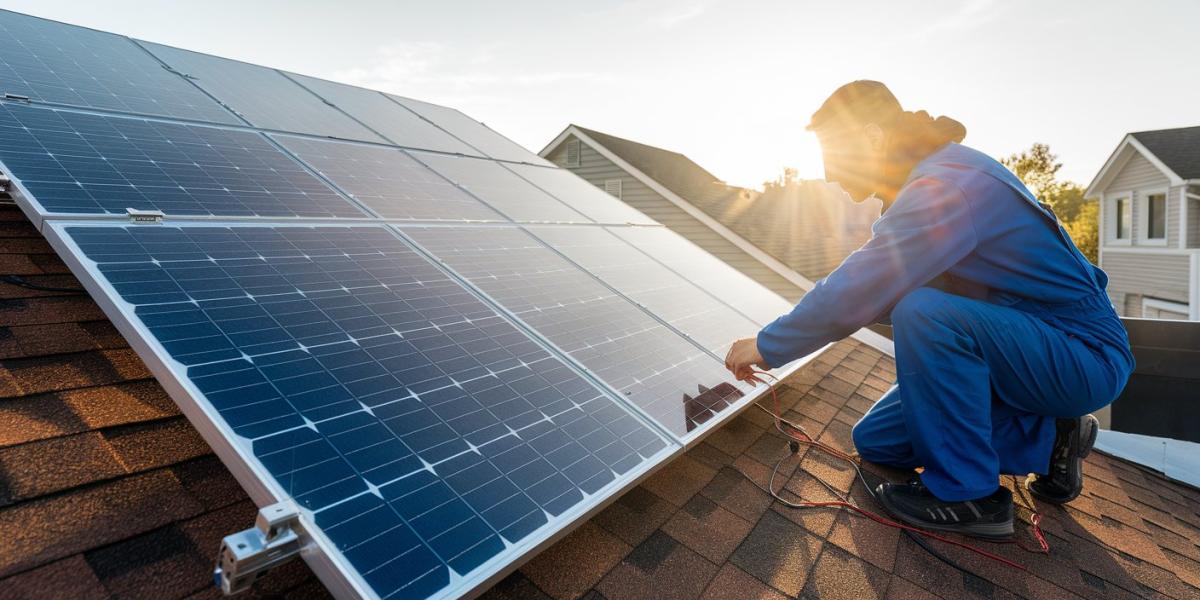
Now that you've chosen your ideal solar system, proper installation guarantees both safety and peak performance. Your journey to energy independence starts with thorough installation preparation - first, assess your property's suitability and conduct a home energy audit to understand exactly what you're working with.
Before mounting those panels, you'll need to tackle essential safety precautions. Don't skimp on this step! Your roof needs to be in top shape and capable of handling the additional weight.
Make sure your electrical system can support at least 100 amps service - this isn't just about following rules, it's about protecting your investment and your family.
When it's time for installation, you'll mount the panels at a 15-20 degree tilt, facing south for maximum sun exposure. Each panel needs secure mounting at four points minimum - remember, you're building your energy fortress here!
Once everything's connected and tested, you're not quite done. Regular monitoring and maintenance will keep your system running smoothly for years to come. Think of it like caring for a high-performance vehicle - a little attention goes a long way toward securing your energy freedom.
Solar Power Cost Analysis
The significant costs of solar power installation require careful analysis to guarantee a worthwhile investment. You're looking at $2.96 to $4 per watt, which means a typical 5kW system will set you back about $14,800.
But don't let those numbers scare you away from your energy independence dreams!
Here's the exciting part: solar financing options have never been better, and installation incentives can slash your costs dramatically. That 30% federal tax credit? It's like getting a third of your system paid for by Uncle Sam!
And if you're wondering about the long-term value, consider this: solar costs have dropped by 64% since 2010, making now the perfect time to jump in.
Your total investment will depend on factors unique to you - your location, roof type, and the panels you choose. Premium panels cost more upfront but can supercharge your savings over time.
Want to cut costs even further? You could go DIY at $250 per panel, compared to $212.50 through an installer.
But remember, whatever path you choose, you're investing in your energy future and breaking free from traditional utility companies!
Maintaining Your Solar System
While investing in solar power is a major step, protecting that investment through proper maintenance guarantees you'll get the most from your system.
Think of your solar panels like a prized car - they need regular TLC to keep running at peak performance.
Your solar panel upkeep doesn't have to be complicated. Start with simple visual checks every few months - look for cracks, loose wiring, or those pesky bird nests that love to call your panels home.
You'll want to keep those panels clean too, but don't go crazy with harsh chemicals. A soft brush and mild soap will do the trick!
Maintenance best practices include tracking your system's performance monthly (because who doesn't love seeing those energy savings?), and keeping trees and bushes trimmed back from casting shadows on your panels.
While you can handle many tasks yourself, don't shy away from calling in the pros once a year for a thorough inspection. They'll check all those technical bits you'd rather not mess with, like electrical connections and inverters.
Environmental Impact Of Solar Energy
When you choose solar power, you're making one of the biggest possible impacts in reducing harmful carbon emissions, as every kilowatt of solar energy replaces electricity that would otherwise come from burning fossil fuels.
Your decision to go solar means you'll generate clean, renewable energy that doesn't pollute the air or contribute to climate change, unlike traditional power plants that burn coal and gas.
Reducing Carbon Emissions
Solar power stands out as a game-changer in reducing harmful greenhouse gas emissions, producing just 41 grams of CO2 equivalent per kilowatt-hour compared to fossil fuels. When you choose solar, you're making a bold move that slashes your carbon footprint by up to 20 times compared to coal power.
Just think about it - your solar panels can offset their manufacturing emissions in just 2-3 years, then provide decades of clean energy!
Want to make an even bigger impact? You'll be thrilled to know that your solar panels can prevent over 100 tons of carbon dioxide from entering our atmosphere during their 28-year lifetime. That's like planting a small forest in your backyard!
Plus, you're helping conserve thousands of liters of water that traditional power plants would've used.
The future's looking even brighter - by 2050, solar panels will be 33% more efficient and use 17% less energy to produce.
You're not just investing in your energy independence; you're joining a revolution that's transforming our energy landscape. With the U.S. planning to expand from 74 to 1,600 gigawatts by 2050, you'll be part of something truly extraordinary.
Power Without Fossil Fuels
A clean energy revolution is transforming how we power our homes and businesses through solar technology. By choosing renewable energy sources like solar power, you're taking control of your energy future while helping protect our planet.
Unlike traditional fossil fuel alternatives that guzzle water and pollute our air, solar panels operate cleanly and efficiently, using minimal water during operation.
You'll be amazed at how your environmental impact shrinks when you switch to solar. Your panels won't release any harmful emissions while they're working, and they'll become carbon neutral within just 1-4 years of installation.
Think about it - that's decades of clean power ahead! While there are some considerations, like the space needed for installation and proper disposal of old panels, the benefits far outweigh these challenges.
Did you know that by installing solar panels, your household could save over 61,000 liters of water annually? That's real impact you can be proud of!
Ready to break free from fossil fuels? Solar power isn't just an alternative - it's your pathway to energy independence and a cleaner future for generations to come.
Final Thoughts
Taking the leap into solar power is like planting a seed for your energy future. You've now got the key knowledge to start your solar journey, from understanding the basics to maintaining your system. By going solar, you'll slash your carbon footprint, save money on utilities, and join the clean energy revolution. Don't wait - your roof's potential is calling, and there's never been a better time to harness the sun's power.